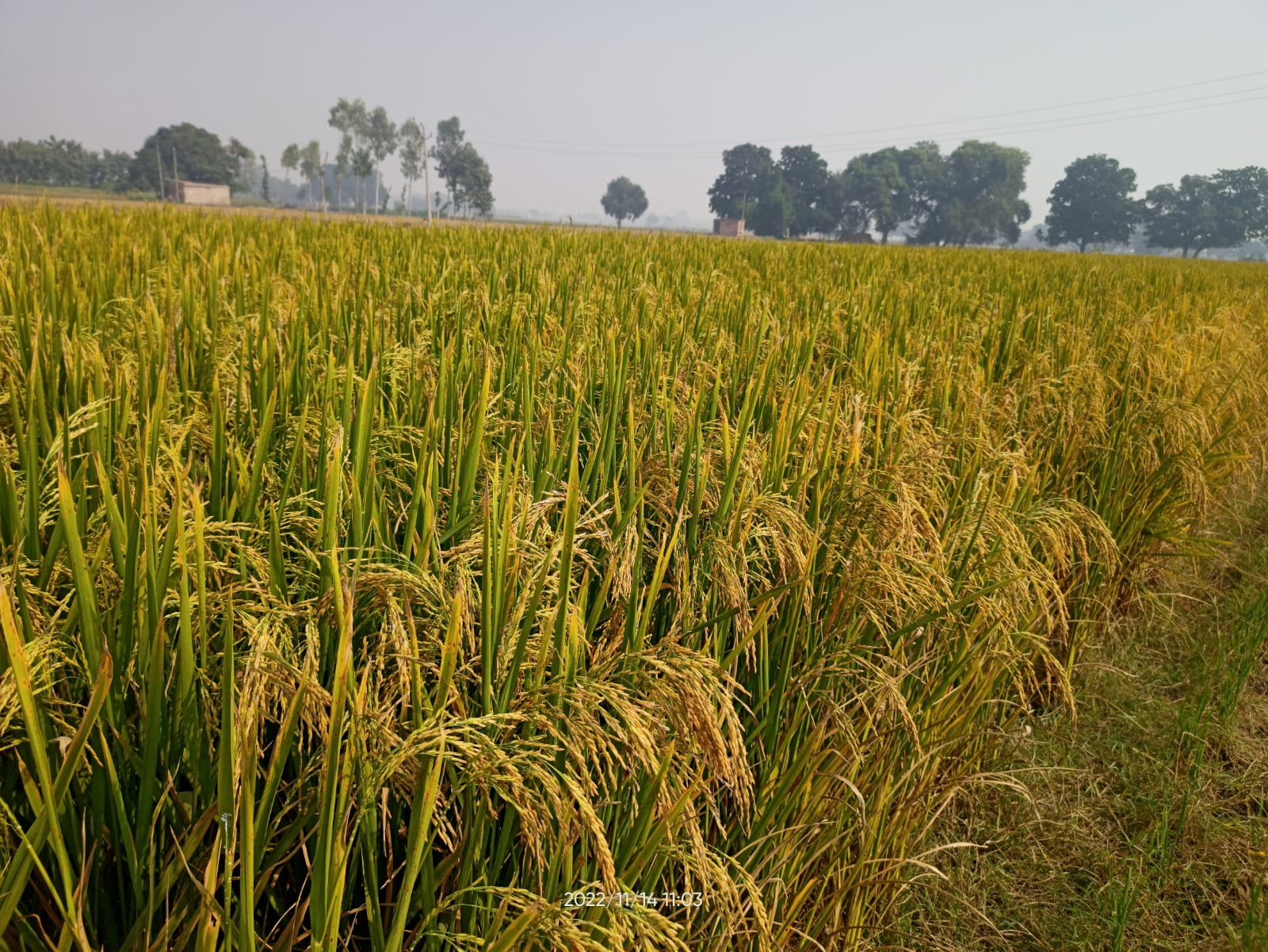
From Seed to Sustainability: Best Practices for Paddy Cultivation
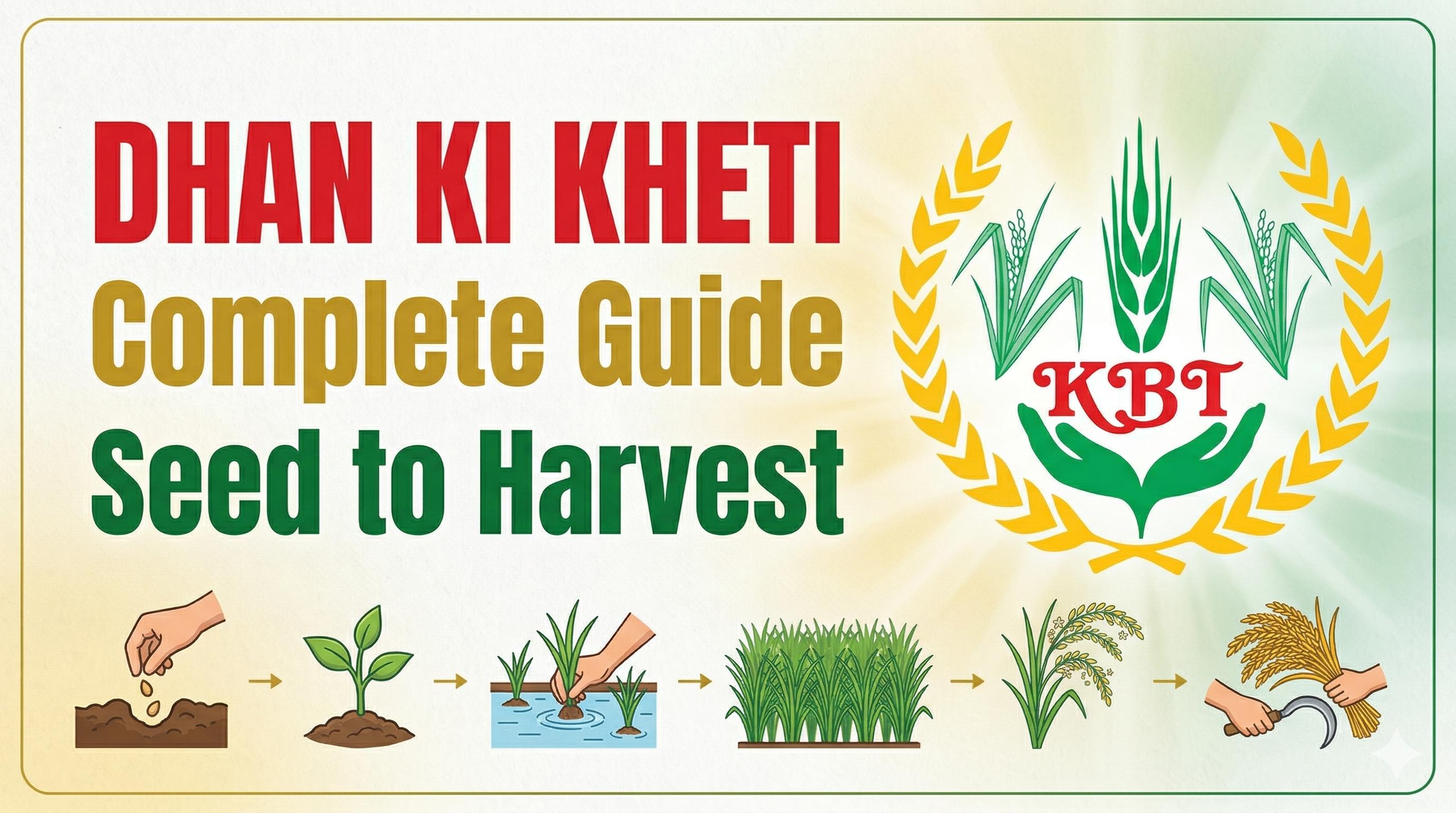
Paddy cultivation is the backbone of rice production in many parts of the world. Rice is a staple food for more than half of the global population, making the cultivation of paddy a vital agricultural practice. The process of growing paddy involves several crucial steps, from land preparation to harvesting, and requires specific climatic conditions, techniques, and careful management to ensure high yields. In this article, we will explore the key components of paddy cultivation and provide insights into modern sustainable practices that can improve both productivity and environmental impact.
1. Climate and Soil Requirements
Paddy cultivation thrives in areas with high rainfall or access to irrigation. It requires a tropical or subtropical climate with temperatures ranging between 20°C and 40°C. The land should ideally be flat and waterlogged during the growing season, as rice plants require a consistent water supply for healthy growth.
The soil type plays a significant role in paddy cultivation. Clayey soils are the most suitable for rice farming because they retain water effectively and provide the necessary nutrients for growth. However, well-drained sandy loam soils can also be used if proper irrigation systems are in place.
2. Land Preparation
Proper land preparation is essential for optimal rice growth. This typically involves plowing the soil to loosen it and ensure better water retention. After plowing, farmers often flood the field to create a shallow layer of water, which helps to break down weeds and prepare the land for sowing.
In traditional paddy farming, fields are flooded and divided into smaller sections using bunds (dikes) to retain water. However, in modern methods, advanced irrigation techniques such as drip irrigation or controlled flooding are being explored to save water and reduce wastage.
3. Sowing and Seed Selection
Rice is typically sown using one of two methods: direct seeding or transplanting. Direct seeding involves sowing seeds directly into the flooded field, whereas transplanting involves growing rice seedlings in a nursery for about 20-30 days before transferring them to the main field.
The selection of seeds is crucial for ensuring good yields. Farmers choose high-quality, disease-resistant varieties of rice that are adapted to their local climate and soil conditions. Hybrid varieties have also gained popularity for their higher yields and resistance to pests and diseases.
4. Water Management
Effective water management is crucial to successful paddy cultivation. Rice plants are unique in that they require flooded conditions for most of their growth period, especially during the early stages. The water also helps to suppress weed growth, which is a common problem in rice fields.
Farmers often manage water by maintaining a certain level in the fields, adjusting it according to the crop’s needs. In modern farming, water-saving techniques like alternate wetting and drying (AWD) are being promoted. AWD reduces the amount of water used while maintaining healthy growth conditions for the rice plants.
5. Nutrient Management
Rice plants require a variety of nutrients to grow successfully. Nitrogen, phosphorus, and potassium are the primary nutrients needed for optimal growth. Fertilizers are often applied to supplement the soil's natural nutrient content.
Organic fertilizers, such as compost and manure, can be used to improve soil health and reduce dependence on synthetic chemicals. Integrated nutrient management (INM) practices are gaining traction, where a balanced mix of organic and inorganic fertilizers is used based on soil tests.
Comments (0)
Please Login to post comments.
No comments yet. Be the first to share your thoughts!