
Bengal Juhi (Scented) Paddy – A Golden Opportunity for Farmers
Bengal Juhi Paddy (बंगाल जूही धान) is a premium scented rice variety known for its rich aroma, soft texture, and excellent market demand. Widely cultivated in West Bengal and Bihar, this variety has emerged as a profitable option for farmers due to its high selling price, good yield, and export potential.
🌾 Key Characteristics of Bengal Juhi Paddy
- Aroma: Distinct floral fragrance that attracts premium buyers
- Grain Type: Small, round, fine-textured grains
- Cooking Quality: Soft, fluffy rice with separate grains
- Crop Duration: 110–120 days (field harvest) | 145–150 days (full maturity)
- Season: Best suited for Kharif season
- Plant Height: 90–110 cm, semi-dwarf, lodging resistant
- Disease Resistance: Tolerant to blast disease and stem borer
- Climate: 25–35°C temperature, 1000–1500 mm rainfall
- Usage: Ideal for biryani, pulao, kheer, and premium rice dishes
🌱 Field Preparation – Strong Foundation for Higher Yield
For best results, Bengal Juhi paddy requires loamy or clayey soil with a pH between 5.5 to 7.
- Deep ploughing of the field before monsoon
- Add 8–10 tons of cow dung manure per hectare
- Field leveling for uniform water distribution
- Light irrigation after ploughing to reduce weeds
Proper field preparation can increase yield by 10–15%.
🌾 Seeds & Planting Method
- Seed Rate: 25–30 kg per hectare
- Seed Treatment: Bacillus or Bavistin for disease protection
- Nursery Time: June
- Transplanting: After 25–30 days
- Spacing: 20 × 15 cm
- Best Transplanting Month: July
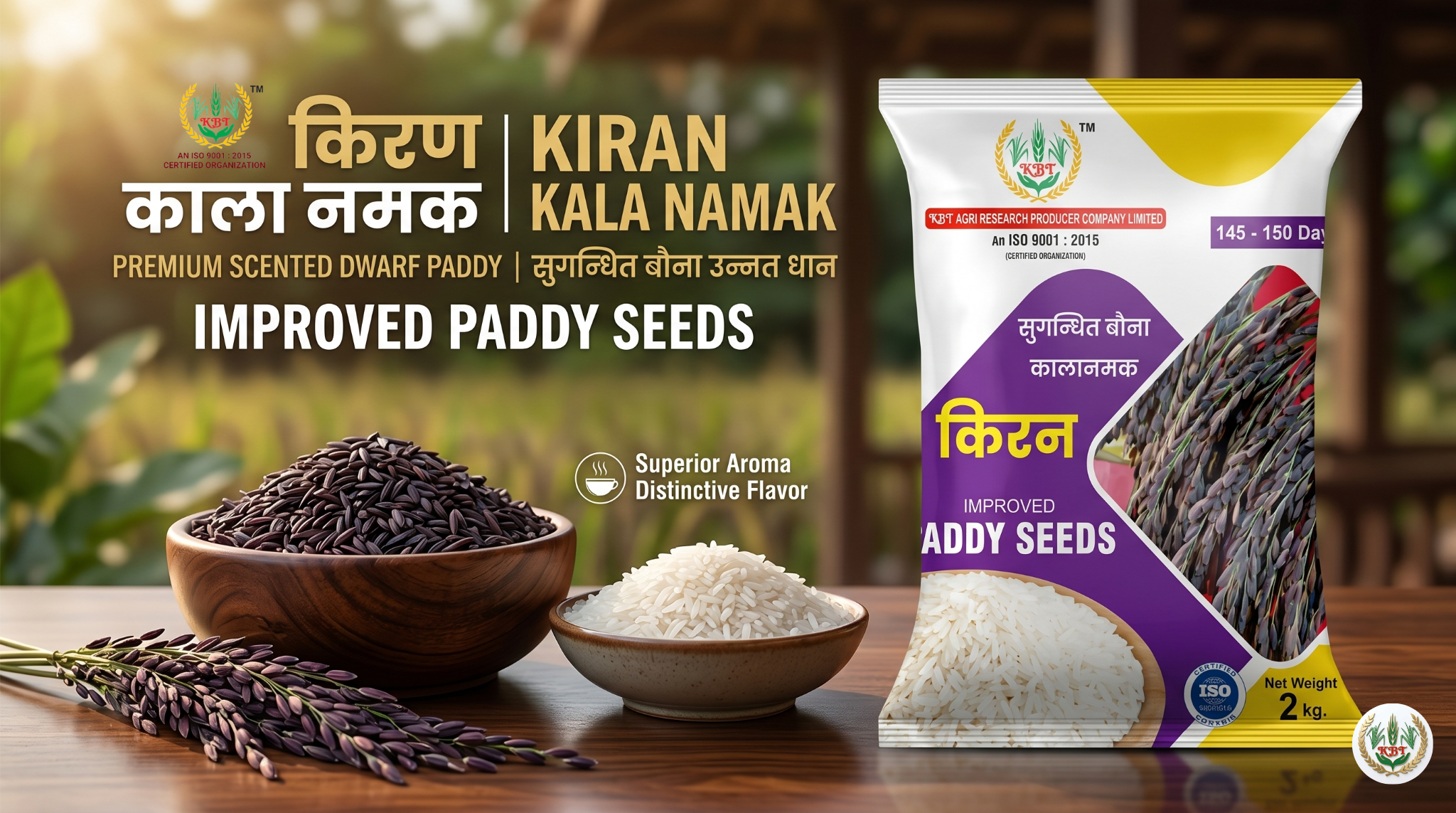
High-quality seeds can be sourced directly from KBT Agri Research Producer Co. Ltd. — a trusted agricultural producer company. :contentReference[oaicite:1]{index=1}
💧 Care & Irrigation Management
- Immediate irrigation after transplanting
- Maintain 5 cm water level every 5–7 days
- Drip irrigation saves 20–25% water
- Apply 2 tons vermicompost and 500 kg neem cake per hectare
- Spray Jeevamrit every 15 days
- Neem oil spray to protect from stink bug and blast disease
- Weeding and hoeing after 20–25 days
With proper care, each plant produces ears containing 50–60 grains, leading to higher productivity.
📈 Production, Yield & Profit Analysis
- Average Yield: 40–50 quintals per hectare
- Maximum Yield: Up to 55–60 quintals with good management
- Market Price: ₹3,000 – ₹5,000 per quintal
- Production Cost: ₹40,000 – ₹50,000 per hectare
Total Income: ₹1.2 – ₹2.5 lakh per hectare
Net Profit: ₹80,000 – ₹2 lakh per hectare
Additional Income: Straw sales generate ₹5,000 – ₹10,000 extra
This makes Bengal Juhi paddy a highly profitable and sustainable crop for Indian farmers.
📦 Buy Bengal Juhi (Scented) Paddy Seeds
If you’re ready to start cultivation, you can purchase premium-quality Bengal Juhi (Scented) paddy seeds from KBT Agri Research Producer Co. Ltd.
👉 Buy Bengal Juhi Paddy Seeds – 2 Kg Pack
- Pack: 2 Kg
- Price: ₹399 (was ₹750)
- Savings: 47% OFF
- Status: In Stock
🌟 Conclusion
Bengal Juhi (Scented) Paddy is an excellent choice for farmers aiming for higher profits, premium market demand, and export-quality rice. With low water requirements, good disease resistance, and attractive selling prices, this variety truly turns hard work into shining pearls.
Start cultivation in June–July and experience the golden opportunity of Bengal Juhi paddy farming.
Disclaimer: The information provided in this blog, including crop duration, yield, market price, and income figures, is based on average estimates and general farming practices. Actual results may vary depending on soil quality, weather conditions, season, temperature, farming methods, irrigation, pest management, and market fluctuations. KBT Agri does not guarantee the same yield, price, or profit. Farmers are advised to consult local agricultural experts before cultivation.
Comments (0)
Please Login to post comments.


No comments yet. Be the first to share your thoughts!